IoT SIM Europa: 28/31 Lander erlauben Roaming
· 10 min read · Regional Info
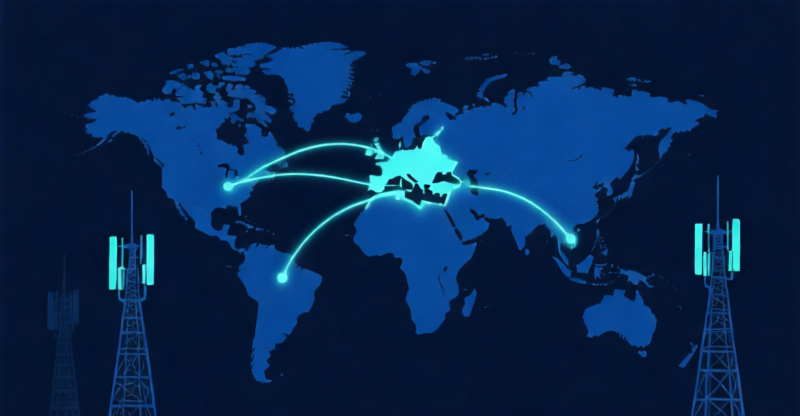
Freizugigstes Roaming. EU-Regulierung verscharft sich. SGP.32 andert Profilwechsel.
Europa erlaubt permanentes IoT-Roaming in 28 von 31 Landern. Es ist die freizugigste Region der Welt. Aber die EU-Regulierung verscharft sich schneller als irgendwo sonst: Data Act, Cyber Resilience Act und RED-Cybersicherheitsmandate treffen gleichzeitig ein. Die wahre Fragmentierung sind nicht Roaming-Verbote — es ist die SIM-Registrierung.
Europaische Roaming-Basislinie
28 von 31 Landern erlauben permanentes Roaming fur IoT/M2M. Zwei Ausnahmen: Deutschland nur fur Dienste, die der gesetzlichen M2M-Definition entsprechen (kein offentlicher Internetzugang). Belgien: am restriktivsten — verboten auber fur eCall und bestimmte nomadische Dienste.
SGP.32: Der eSIM-Standard der die Beschaffung verandert
SGP.32 wurde fur IoT entwickelt — nicht von Telefonen adaptiert. Es entfernt die Bildschirmanforderung. Das Unternehmen — nicht der MNO — steuert den Profilwechsel uber das eIM. Wenn ein Deutsche-Telekom-Profil im landlichen Frankreich schlecht funktioniert, ladt das eIM ein Orange-Profil.
Häufig gestellte Fragen
Can I use one IoT SIM across the entire EU without regulatory issues?
Yes, for 28 of 31 European countries. Permanent roaming for M2M/IoT is permitted EU-wide with two exceptions: Germany restricts it to M2M-only services (no public internet access), and Belgium prohibits it except for eCall and certain nomadic services. For Belgium, a local SIM profile is required. For Germany, ensure the service qualifies as M2M under BNetzA's definition.
Should I specify SGP.32 for new IoT deployments in Europe?
For new deployments with 5+ year lifecycles, yes —SGP.32-capable modules (Quectel, SIMCom, Telit) should be the default procurement spec. SGP.32 lets the enterprise control profile switching through a cloud-based eIM without touching the device. Existing SGP.22 fleets cannot upgrade without hardware replacement —multi-IMSI remains the bridge.
How does the EU Data Act affect IoT deployments?
The Data Act (September 2025) requires IoT-generated data to be accessible to users, portable between cloud providers, and subject to third-party sharing restrictions. IoT deployers must specify data governance in contracts, ensure cloud portability, and handle user data access requests. It regulates data —not connectivity.
Referenzen
- Cullen International —European regulators adopt different approaches to IoT (October 2025)
- Cullen International —Countries tighten IoT rules with new security, numbering and device measures (July 2025)
- Cullen International —2025 sees a global tightening of IoT regulations (October 2025)
- Transforma Insights —Regulation drives new MNO and MVNO approaches to IoT connectivity (2025)
- BEREC —MVNO Europe response on EU Roaming Regulation review for pan-European IoT (November 2024)