Healthcare IoT: Herzmonitor LTE-M, Impfstoff NB-IoT
· 7 min read · Case Studies
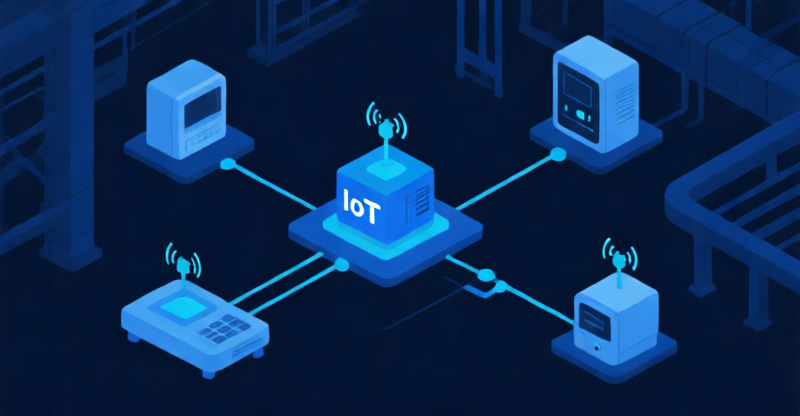
Herzpflaster 30s: LTE-M. Impfstoff-Logger: NB-IoT. HIPAA fur beide.
Healthcare IoT teilt sich in zwei Konnektivitatsdomanen mit gegensatzlichen Anforderungen. Patientengerate —Herzmonitore, Glukosesensoren, Sturzsensoren— bewegen sich mit dem Patienten, benotigen nahezu Echtzeit-Alarme und verbinden sich uber LTE-M fur Mobilitat und Latenz unter 100ms.
Patientengerate —Warum LTE-M
Ein kardiales Telemetriepflaster eines entlassenen Patienten ubertragt alle 30 Sekunden EKG-Daten. Wird ein Vorhofflimmern erkannt, muss der Alarm innerhalb von 100ms den Kardiologen erreichen —bevor der Patient Symptome spurt. Dies erfordert LTE-M: vollstandiges Mobilitats-Handover, 50-150ms Latenz und stets aktiven PDP-Kontext.
Häufig gestellte Fragen
LTE-M or NB-IoT for a wearable medical device?
LTE-M. Patient-worn devices move, need sub-150ms alert latency, and may require firmware updates over the air. NB-IoT does not support mobility handover and has latency of 1,500-10,000ms — unacceptable for cardiac or glucose alerts. LTE-M also supports VoLTE for devices with emergency call capability.
Is there such a thing as a HIPAA-compliant SIM card?
No. A SIM supports technical safeguards (encryption, authentication, private APN) that HIPAA requires. Compliance is in the architecture — how data flows, where it is encrypted, who has access — not in any single component. Specify private APN, TLS/DTLS encryption, and SIM-based device authentication. Do not accept "HIPAA-compliant SIM" as a substitute for architectural compliance.
Can one SIM SKU serve both patient monitors and cold chain loggers?
Technically yes, but it will be suboptimal for one domain. LTE-M SIMs work for cold chain but waste power on mobility features the logger does not need. NB-IoT SIMs work for wearables but cannot support mobility handover. Procure separate SIM SKUs per device class — manage both from a single CMP.