Guia M2M Sudeste Asiatico: Conectividad Multi-Operador
May 28, 2026 · 6 min read · Regional Info
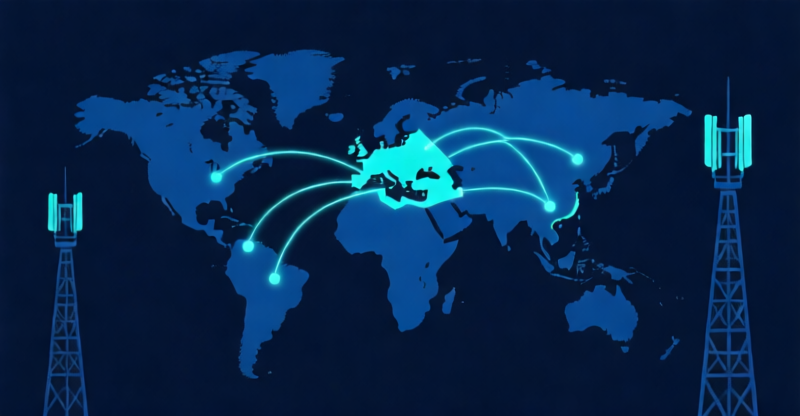
Fragmentacion insular, espectros variables. Cambio eUICC entre AIS, TrueMove, Viettel, Telkomsel.
The Southeast Asian cellular landscape is characterized by high island fragmentation, varying spectrum allocations, and strict regional regulatory climates. For multi-regional hardware manufacturers deploying smart logistics tracking, agricultural sensors, or connected retail nodes across Thailand, Vietnam, and Indonesia, establishing individual carrier agreements with local brands is historically cost-prohibitive.
Through eUICC dynamic profile swaps and multi-carrier aggregation, hardware units can bypass localized carrier locks. In Thailand, devices dynamically select between AIS (Advanced Info Service) and TrueMove depending on real-time signal attenuation. If a terminal moves across the border into Vietnam, it initiates a local profile handshake to bridge seamlessly onto Viettel or Vinaphone networks without triggering high roaming fee surcharges.
Key Architectural Considerations for ASEAN Deployments:
1. Protocol Latency Safeguards: Real-time telemetry systems must resolve packet headers through localized APN gateways to guarantee a Round Trip Time (RTT) of under 120ms. GlobalIoT.sim routes data channels via regional base gateways (such as our Shenzhen and Singapore routing nodes) to decrease backhaul distances.
2. Power Saving Modes (PSM / eDRX): While LTE-M coverage is highly mature in North America and Western Europe, many remote locations in Vietnam and Indonesia still default to robust 4G LTE fallback or NB-IoT bands. Cellular device chips must be configured with generous timers to prevent excessive signaling battery drain during tower handshakes in low-signal rural regions.
3. Local Regulatory Conformity: Countries like Indonesia implement strict IMEI registration laws. Utilizing pre-negotiated carrier bootstrap profiles aggregated inside an independent eSIM hub allows enterprises to maintain compliant deployments without creating localized legal entities.