Latvia Electronic Tolling IoT SIM: 1 eUICC Part Replaces N Carrier SKUs; Pilot from €2/Device/Month
· 5 min read · Regional Info
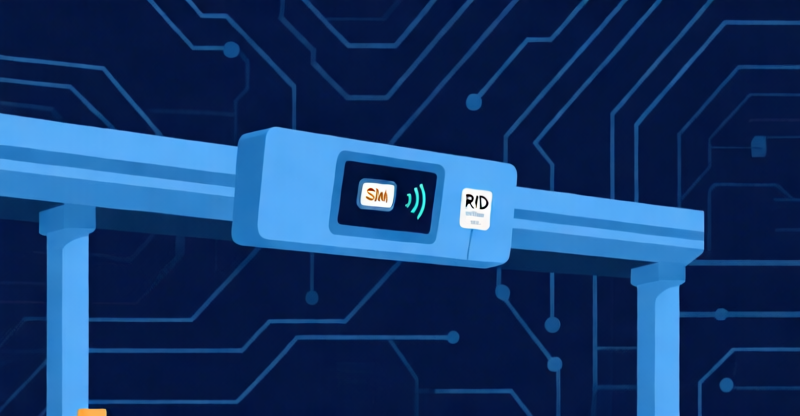
Latvia eSIM procurement for electronic tolling: one eUICC part replaces N carrier SKUs, NIS2/GDPR compliance drives remote management, pilots start €2–€6/device/month.
An eSIM for electronic tolling is a soldered eUICC chip that downloads and switches carrier profiles over the air. For an electronic tolling deployment in Latvia, the procurement anchor is 650+ networks available through multi-network eSIM providers such as Telnyx — one SIM part can serve the entire country and still have a fallback network if the primary carrier's coverage or price changes [8][1]. Based on published carrier rate cards, a 1 GB Latvia pilot plan runs €2–€6 per device per month; volume pricing requires a project quote [6].
WHY IT MATTERS
Transport-sector IoT connectivity is no longer just a data plan purchase. The EU NIS2 directive and GDPR impose strict requirements on how connected devices are managed, and remote provisioning via eUICC is the mechanism that lets you push security updates and profile changes without touching the hardware [1]. Before eSIM, procurement teams stocked one SIM SKU per carrier and per region; with eUICC, one part number can hold multiple profiles, cutting SKU count from N to one [4][1].
From the Field: Procurement managers note that the biggest hidden cost in regulated markets is 3–8 weeks of engineering time spent reconciling the national registration list with the local carrier's billing system. In Latvia, a provider that can pre-validate your device list against carrier systems before you order 5,000 eSIMs is worth more than a 5% per-GB price difference.
TYPICAL APPLICATIONS
Tolling deployments have three connectivity classes: roadside gantries, in-vehicle transponders, and lane payment terminals. Each maps to a different SIM procurement path: Global IoT SIM for cross-border fleets, eSIM for embedded transponders, and physical SIM for serviceable terminal hardware [6][4].
Roadside Gantries
Roadside gantries require 4G LTE or LTE-M modules with Cat-M1/Cat-1 support [2][8]. An eUICC eSIM stores more than one carrier profile, so a failed link can switch networks over the air without a site visit [1]. For a 40-gantry network, that reduces the planned maintenance budget from eight truck rolls to zero for carrier changes, assuming profile switching is done remotely.
In-Vehicle Transponders
In-vehicle transponders are sealed, vibration-prone devices. The MFF2 embedded SIM is the physical form factor that fits this use case [8], and ruggedized eSIM modules are available for harsh environments [2][4]. Procurement should specify MFF2 on the BOM and require GSMA-compliant eUICC provisioning from the connectivity provider [2][4].
Lane Payment Terminals
Toll plaza terminals are serviceable and often sit in a secure booth. Physical SIM in FF2, FF3, or FF4 is an acceptable lower-cost choice when field replacement is simple [8][6]. Keep physical SIMs for terminals; use eSIM for the sealed transponder population.
TECHNICAL SPECIFICATION / COMPARISON TABLE
| Parameter | eUICC eSIM | Physical M2M SIM | Business Impact |
|---|---|---|---|
| Form factor | MFF2 embedded, plus FF2–FF4 [8] | Mini/Micro/Nano SIM [8] | MFF2 survives vibration and tampering in tolling transponders |
| Profiles stored | Multiple profiles on one chip [1] | Single profile per card | One SKU replaces N carrier SKUs in the warehouse [4] |
| Profile update | OTA via eUICC remote manager [1] | Manual card swap | No truck roll for carrier or compliance changes |
| Remote provisioning standard | GSMA eUICC; SGP.32 for IoT [3] | Not applicable | Allows standardised OTA profile management |
| Pilot pricing | €2–€6 per device/month for 1–5 GB, based on published rate cards | €1–€4 per device/month plus swap logistics | Catalog pricing is enough for a pilot; project quote for production volume |
SELECTION NOTES
Choose an eUICC eSIM (MFF2) when the transponder is sealed, the device is installed on a moving vehicle, or the program needs remote profile switching for regulatory updates [1][8]. Choose a physical SIM when the terminal is serviceable, the deployment is under 500 units, and the carrier mix is fixed for the contract term [6][8].
Catalog pricing is sufficient when you need a single-country pilot under 1,000 devices, with no CMP visibility requirement and no API automation. Move to a project quote when the rollout spans multiple countries, exceeds 1,000 devices, requires CMP visibility, or needs RESTful M2M API activation — these triggers are the same ones Quanqiu IoT uses to route buyers from catalog to project pricing [6].
PROCUREMENT REALITY CHECK
A tolling operator plans 1,200 in-vehicle transponders and 40 roadside gantries in Latvia. The transponders use MFF2 eSIMs; the gantries use 4G/LTE-M routers with physical SIM slots. Vendor selection turns on one number: 3–8 weeks of engineering time to reconcile the national registration list with the carrier billing system. The provider that offers a RESTful M2M API for bulk activation can automate profile provisioning and cut that reconciliation loop; without it, the project misses the toll-service launch date.
COST MODEL / TCO
Hardware Costs
MFF2 eSIM hardware adds €0.50–€2.00 per device over a plastic SIM, based on component pricing. For 10,000 transponders, that is €5,000–€20,000 in additional BOM cost. Physical SIM swap logistics run €15–€25 per unit in this scenario, so avoiding even one swap per 100 devices recovers €150–€250 per deployment lot.
Connectivity Costs
Catalog data plans for Latvia run €2–€6 per device per month for 1–5 GB, based on published carrier rate cards. Annualized for 1,000 devices, that is €24,000–€72,000. A project quote typically reduces per-GB pricing 20–40% when committed data volume exceeds 100 GB per month or device count exceeds 5,000 — those thresholds come from carrier rate card structures, not from a single public source, so require a written quote before scaling.
Payback Scenario
For a 1,000-device transponder fleet with a 10% carrier-change rate over three years, eSIM remote switching avoids 100 physical swaps. At €15 per swap, that is €1,500 in avoided logistics; against a €500–€2,000 eSIM hardware premium for 1,000 units, the payback is within the contract term.
Catalog vs Project Quote
Catalog pricing is enough when the program is a single-country pilot under 1,000 devices, uses a standard 1 GB plan, and does not require CMP or API integration. Go to project quote when you need multi-country coverage, over 1,000 devices, CMP visibility, NIS2/GDPR compliance documentation, or per-GB pricing below the catalog rate. Publicly available pricing gets you a pilot; a project quote is the only defensible path for production tolling infrastructure.
eUICC eSIM specification impact for Latvian tolling
| Param | Value | Business Impact |
|---|---|---|
| Form factor | MFF2 embedded, FF2–FF4 available [8] | MFF2 survives vibration and tampering in tolling transponders |
| Remote provisioning | GSMA eUICC, OTA profile download [1]; SGP.32 for IoT [3] | Carrier changes without field visit |
| Compliance | NIS2, GDPR [1] | Profile updates can be pushed for regulatory/security requirements |
| Network support | 2G, 3G, 4G LTE, LTE-M, Cat-M1, Cat-1, NB-IoT [2][8] | Matches tolling gantry and OBU connectivity requirements |
eSIM vs physical SIM for tolling procurement
| Dimension | eSIM (eUICC) | Physical SIM | When to Choose |
|---|---|---|---|
| SKU complexity | 1 eUICC SKU holds multiple profiles [4] | One SKU per carrier [4] | eSIM for fleets crossing multiple Latvian carriers |
| Logistics | No card swap; OTA profile change [1] | Manual replacement, shipping and field visit | eSIM for sealed OBUs and gantries |
| Unit cost | €0.50–€2.00 premium, based on component pricing | Lower unit cost, plus swap logistics | Physical for serviceable devices under 500 units |
| Compliance window | Remote update can be immediate [1] | Lag until swap complete | eSIM when NIS2/GDPR change requires urgent profile update |
Frequently Asked Questions
How do I buy a Latvia eSIM for tolling equipment?
Start with a catalog-priced 1 GB Latvia IoT SIM plan from a multi-network provider, then move to a project quote if you need CMP visibility, volume delivery, or multi-country coverage [6].
How do I set up a Latvia eSIM to avoid roaming fees?
Choose a provider that connects devices to local Latvian operators rather than roaming; Telnyx lists multi-network connectivity on local networks in Latvia and 650+ networks worldwide [8].
Which eSIM should I choose for electronic tolling hardware?
Use an eUICC eSIM with MFF2 form factor for embedded transponders; it supports over-the-air profile changes and meets GSMA standards [1][8].
Is a Latvia eSIM cheaper than international roaming?
For pilots, catalog data plans for Latvia run approximately €2–€6 per device per month for 1–5 GB based on published rate cards; roaming typically costs more per GB, but a project quote is required for volume pricing.
Do I need a passport to buy a Latvia business eSIM?
Consumer travel eSIMs often require identity documents; B2B IoT SIM procurement instead requires company registration and compliance documentation under NIS2/GDPR [1].
How does installing and activating a Latvia eSIM on a toll device work?
Profiles are provisioned to the eUICC over the air via an IoT remote manager; you can switch networks without touching the device [1][3].