Isolated Network Architectures: Building Bulletproof B2B Cellular Isolation with Private APNs
· 5 min read · Case Studies
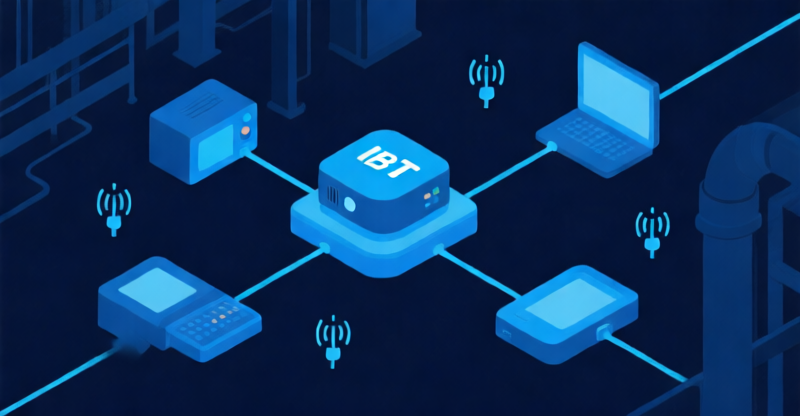
How retail point-of-sale systems, medical diagnostics, and industrial SCADA networks utilize fully private routing paths to pass security audits.
In high-security B2B systems, routing device communications over the public internet represents a substantial and immediate liability. Distributed ATM machines, connected medical diagnostics equipment, and municipal water valves must be completely invisible to public spectrum scanners to mitigate distributed denial of service (DDoS) attempts and man-in-the-middle exploits.
A Private Access Point Name (APN) establishes an exclusive routing gateway inside the cellular operator core network. Instead of leasing a public IP address, the IoT SIM card is provisioned with a private RFC 1918 static IP. This IP is only routeable through an encrypted, site-to-site IPSec VPN tunnel directly into the customer private Cloud Virtual Private Cloud (VPC) on AWS, Google Cloud, or Azure.
Benefits of Implementing Private APN Architectures:
- Absolute Device Concealment: Because terminal SIMs possess private IPs without public internet route gateways, they cannot be targeted by host-oriented port scans, vulnerability probes, or brute-force ssh attempts.
- Strict Bandwidth Cost Containment: Units on public APNs are vulnerable to receiving spoofed external packets that consume cellular data quotas. A private APN blocks unauthorized traffic at the operator mast layer, preventing surprise bill overages.
- Compliance with Financial Standards (PCI-DSS): Connecting remote handheld retail checkout stations via a private APN satisfies standard encryption guidelines, streamlining corporate liability reviews.