Greek Maritime IoT SIM Procurement: NIS2 Effective October 18, 2024 Drives eSIM Compliance
· 5 min read · Regional Info
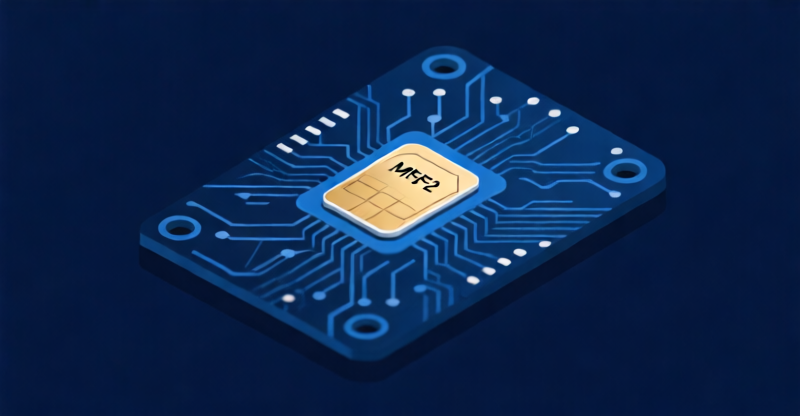
Greek maritime IoT SIM deployment requires NIS2 compliance since Oct 18, 2024. eSIM with eUICC and CMP platform enables remote provisioning for vessels.
IoT SIM deployment for maritime shipping in Greece is the process of selecting, provisioning, and managing cellular connectivity for vessel-based systems such as electronic logbooks, engine monitors, and cargo sensors. For Greek-flagged vessels, NIS2 took effect on October 18, 2024, classifying maritime shipping as essential infrastructure [5]. This means connectivity procurement now must address cybersecurity compliance alongside coverage.
WHY IT MATTERS
Before NIS2, IoT SIM procurement for Greek shipping focused on coverage and roaming costs. Now, the regulatory boundary includes cybersecurity: NIS2 came into effect on October 18, 2024, and maritime shipping is classified as essential infrastructure [5]. This shifts the procurement constraint from simply buying a multi-carrier SIM to requiring audit-ready connectivity that supports remote provisioning and profile switching. eUICC-based eSIM enables over-the-air provisioning, allowing devices to ship without knowing final destinations and receive network profiles remotely after deployment [3]. According to IoT Analytics, eSIM eliminates the need for traditional roaming agreements, ensuring consistent performance and compliance with local regulations [4].
TYPICAL APPLICATIONS
Application 1: Electronic Logbooks
Greek shipping compliance requires IMO and SOLAS electronic logbook compliance, plus port state control readiness [1]. A digital logbook needs continuous cellular connectivity to sync records. For this, an industrial eSIM with MFF2 form factor is appropriate because MFF2 is the correct choice for maritime and heavy industry from the hardware design stage [8]. Connectivity can be managed via a CMP platform, which pushes profiles over the air [7].
Application 2: Fleet Telematics and Engine Monitoring
Fleet telematics for Greek maritime operators involves tracking vessel position, fuel use, and engine hours. A global IoT SIM with multi-carrier coverage, such as those offered for Greece [2], can maintain connectivity across ports. However, when vessels travel between EU countries, eSIM with eUICC allows profile switching to local carriers, which can reduce roaming costs. According to Hologram, eUICC SIM platforms allow downloading new carriers and SIM profiles even after devices are in the field [6].
Application 3: Cold Chain and Cargo Monitoring
Cold chain monitoring for perishable cargo requires 1 GB or less per month per sensor in many cases. An eSIM with remote provisioning benefits avoids physical SIM swaps when vessels change routes. Spenza notes that three approaches work for local breakout: eUICC profile switching, multi-IMSI, and local breakout routing, each with tradeoffs in speed, cost, and regulatory compliance [7]. For NIS2 compliance, an API-driven CMP platform can provide audit logs for connectivity events.
TECHNICAL SPECIFICATION / COMPARISON TABLE
| Dimension | Global IoT SIM (Physical) | eSIM (eUICC) | Multi-IMSI | When to Choose |
|---|---|---|---|---|
| Form factor | MFF2 or 2FF/3FF/4FF | MFF2 soldered | MFF2 or removable | Physical for legacy slots; eSIM for sealed maritime devices |
| Remote provisioning | 0 (requires physical swap) | 1 (OTA profile push) | 0 (pre-loaded profiles) | eSIM when devices are inaccessible |
| Carrier profiles | 1 per SIM | ≥2 (downloadable) | 2-4 pre-loaded | eSIM for multi-country routes |
| NIS2 audit trail | Manual logs | API-driven logs | Limited | eSIM + CMP for compliance |
| Roaming cost control | Limited | Local breakout possible | Automatic selection | eSIM when roaming costs exceed local rates |
SELECTION NOTES
When vessel fleet size is under 10 and routes remain within Greek territorial waters, a catalog-priced global IoT SIM with multi-network coverage for Greece [2] may be sufficient. When vessels operate across EU borders or require NIS2-compliant audit trails, an eSIM with eUICC and a CMP platform is required, and pricing moves to a project quote because volume discounts and regulatory features are not catalog items. If the deployment includes more than 50 devices, request a project quote to include API access and certificate lifecycle management.
COST MODEL / TCO
Hardware Breakdown
An MFF2 eSIM chip adds €1–€3 per device based on component pricing, while a physical IoT SIM may cost €0.50–€2.00. These ranges are typical for European IoT hardware and must be validated with a project quote.
Connectivity Costs
Based on published carrier rate cards for European IoT connectivity, data plans for maritime use typically range from €0.50 to €5.00 per GB depending on volume and contract length. For a vessel using 1 GB per month, annual connectivity cost is between €6 and €60 per device.
Platform and Maintenance
CMP platform fees are often €1–€5 per device per month. Ongoing support and profile updates may cost €100–€500 per vessel per year. Installation engineering time for eSIM provisioning via CMP typically runs 2–4 hours per fleet, equivalent to €100–€400.
Payback and Catalog vs Project Quote
Payback for switching from manual SIM swaps (each swap costing €50–€200 in labor and downtime) can occur within 6–12 months for fleets with more than 20 vessels, but exact figures require a project quote. Catalog pricing is sufficient for pilot deployments under 10 devices with standard coverage. A project quote is required when NIS2 audit trails, API integration, or multi-country profile switching are needed.
Greek Maritime IoT SIM Specification Drivers
| Param | Value | Business Impact |
|---|---|---|
| NIS2 effective date | October 18, 2024 | Maritime classified as essential infrastructure; compliance mandatory [5] |
| eUICC capability | Remote provisioning | Devices ship without final destination [3] |
| MFF2 form factor | Soldered chip | Suitable for maritime environments [8] |
| CMP requirement | Over-the-air profile push | Rollout timeline depends on CMP integration [7] |
| Carrier landscape Greece | Multi-network IoT SIM available | Single SIM covers multiple networks [2] |
IoT SIM Technology Comparison for Greek Maritime
| Dimension | Global IoT SIM (Physical) | eSIM (eUICC) | When to Choose |
|---|---|---|---|
| Form factor | MFF2 or 2FF/3FF/4FF | MFF2 soldered | Physical for legacy slots; eSIM for sealed maritime devices |
| Remote provisioning | 0 physical swaps | 1 OTA profile push | eSIM when devices are inaccessible |
| Carrier profiles | 1 per SIM | ≥2 downloadable | eSIM for multi-country routes |
| NIS2 audit trail | Manual logs | API-driven logs | eSIM + CMP for compliance |
| Roaming cost control | Limited | Local breakout possible | eSIM when roaming costs exceed local rates |
Frequently Asked Questions
Why should I use an eSIM for Greek maritime IoT instead of my home carrier's roaming plan?
eSIM with eUICC eliminates the need for traditional roaming agreements, ensuring consistent performance and compliance with local regulations [4]. For Greek-flagged vessels, NIS2 (effective October 18, 2024) requires audit-ready connectivity, which roaming plans often lack [5].
How do I buy an eSIM for Greek maritime operations?
Procurement typically starts with a project quote because eSIM profiles require a CMP platform to push profiles over the air [7]. Catalog pricing may cover pilot deployments under 10 devices, but production fleets need a contract that includes API access and certificate lifecycle management.
Do I need to register my eSIM in Greece?
eSIM technology ensures compliance with local regulations by allowing local carrier profiles [4]. Registration requirements vary by carrier; confirm with your connectivity provider whether Greek carrier registration is needed for your eSIM profiles.
Is an eSIM cheaper than international roaming for Greek shipping?
eSIM can reduce roaming costs by enabling local breakout with native carrier profiles [8]. Exact savings depend on data volume and vessel routes; a project quote is required to compare against roaming rates.
Can I use EU roaming in Greece instead of an eSIM?
EU roaming may work for short-term operations, but NIS2 compliance requires audit trails and remote provisioning capabilities that standard roaming may not provide [5]. For multi-country routes, eUICC profile switching offers more control [3].
What's the difference between a Greece travel eSIM and a local physical SIM card for maritime IoT?
A travel eSIM is consumer-focused, while maritime IoT requires MFF2 form factor for durability [8] and eUICC for remote provisioning [3]. Physical SIM cards require manual swaps (0 remote provisioning), which is impractical for sealed vessel devices.
References
- Greek Shipping Compliance & IMO Guide 2026
- IoT SIM cards for Greece
- eSIM deployments for cellular IoT: A complete guide
- The role of eSIM for IoT
- Maritime Cybersecurity 2026: Ship Manager's Guide - Navatom
- eSIM deployments for cellular IoT: A complete guide
- IoT SIM Cards Explained (2026): Types, Form Factors, Plans, & More - Spenza
- IoT SIM Cards Explained: How to Choose the Right M2M SIM for Your Business